

THE HEART
Midlife is an important time to pay closer attention to the heart. As estrogen levels change through the menopause transition, shifts can occur in cholesterol, blood pressure, body composition and vascular health.
This isn’t about creating fear. It’s about awareness. Understanding your individual risk - and knowing what to pay attention to - gives you the opportunity to make informed choices that support your cardiovascular health for the years ahead.

Heart health is rarely the first thing women associate with menopause, yet midlife is an important time to pay closer attention to it. Estrogen has effects beyond reproduction and interacts with blood vessels, lipid metabolism and vascular function.
As estrogen declines, the cardiovascular landscape can change. This does not mean menopause itself should become something to fear. Cardiovascular health is influenced by a much wider picture - including blood pressure, cholesterol and lipids, glucose, body composition, movement, sleep, smoking, family history and reproductive history.
What does menopause have to do with my heart?
KNOW YOUR NUMBERS
Understanding your key health markers can help you see the bigger picture, identify changes early, and make more informed choices for your long-term heart health.
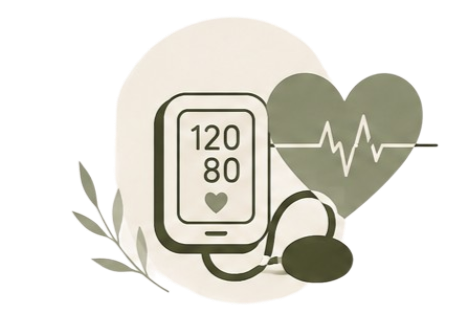
BLOOD PRESSURE
An important marker of cardiovascular health that deserves regular attention.
GLUCOSE &
METABOLIC HEALTH
Heart and metabolic health are closely connected, making glucose regulation part of the conversation too.
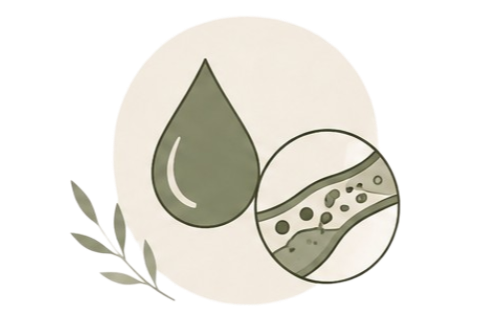
CHOLESTEROL & LIPIDS
Go beyond simply being told your cholesterol is “fine.” Understanding the wider lipid picture matters.

YOUR HISTORY
Family history matters, and so can reproductive history, including experiences such as pregnancy-related hypertension, preeclampsia, or gestational diabetes.
Prevention doesn't need to come from fear.
It can come from knowledge.